
The World Economic Forum’s Global Risks Report 2024 has been released. It explores some of the most severe risks currently faced by organizations, individuals, and nations and how the threatscape is expected to develop over the next decade.

The World Economic Forum’s Global Risks Report 2024 has been released. It explores some of the most severe risks currently faced by organizations, individuals, and nations and how the threatscape is expected to develop over the next decade.

Everstream has published its ‘2024 Supply Chain Annual Risk Report’ which looks in detail at what it assesses as the five areas most likely to cause supply chain disruption in the coming year.

In 2023, 68% of UK organizations believed that they could survive less than one day without IT systems; that compares to 46% in 2017, marking a significant increase in dependence on technology.

Various organizations have published survey results looking ahead to 2024 and exploring the top threats that businesses face. In this ‘analysis of the analysis’ article, Resilience Forward pulls together a summary highlighting the main threads running through five different survey reports.

The UK National Protective Security Authority (NPSA) has published new guidance documents for protecting venues and public spaces from terrorist attack.

One key aspect of organizational resilience is developing a holistic management approach, ensuring that various key disciplines work together. Steve Richardson provides some tips on how to address road-blocks in this area.

Gary Lynam looks at risks that are likely to increase in importance in 2024 and the developments that we can expect to see in the operational resilience space.

DRI International has published its Ninth Annual Global Risk and Resilience Trends Report. The report provides an analysis of current and emerging risks.

As we survey the cyber security frontline, eight leaders look ahead to 2024, giving Resilience Forward their view of how this area will develop.
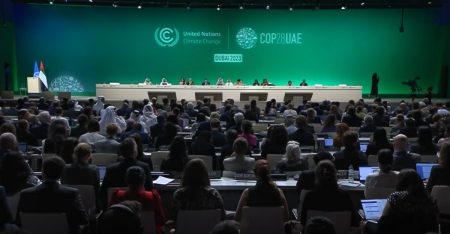
Throughout the recent COP28, the Insurance Development Forum (IDF) contributed to the discussions and advocated for the critical role of insurance in addressing the climate crisis.