
AI-powered cyber attacks are a key emerging risk, and this will reach a new level in 2026 as agentic AI attacks reach the real world, says Jimmy Astle.

AI-powered cyber attacks are a key emerging risk, and this will reach a new level in 2026 as agentic AI attacks reach the real world, says Jimmy Astle.

Ben Schilz predicts movements towards a sovereign Europe, quantum-ready encryption, and a slow goodbye to Big Tech.

When crisis hits, clarity counts, yet organizational resilience lacks a common structure for briefing crisis management teams. This article explores why that gap matters, briefly considers some briefing structures used elsewhere, and introduces a new Unified Briefing Framework.

Organizations are coming under pressure to move to sovereign clouds as they face the regulatory storm that is rolling in. But whatever changes are made, data resilience must remain the top priority, says Michael Cade.

Unmanaged AI use is creating invisible vulnerabilities in organizations. This article explains how to identify, contain, and control shadow AI before it undermines resilience.

Quantum is coming – but not everything you encrypt today will still matter tomorrow. Rik Ferguson explains where to focus and how to build cryptographic resilience that lasts.

Everyday consumables might seem trivial, but in-store items like bags, hangers, and cleaning products are the backbone of retail operations. Smarter management of these essentials can unlock hidden savings and strengthen operational resilience across the entire organization.

David Honour looks at the hidden issues of relying on AI in risk assessment – and how to build guardrails that maintain the advantages but without the distortions that AI use can bring.
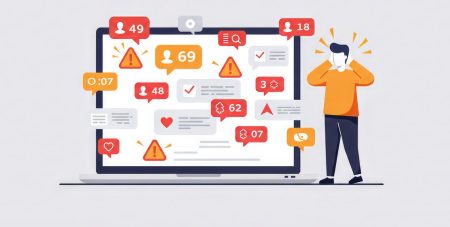
CISOs and their teams are constantly monitoring their tech estates to detect potential cyberattacks but, even so, attacks can be missed or detection delayed. One of the major causes of organizations’ lack of detection remains alert fatigue.

At the heart of organizational resilience is developing the ability to adapt to ensure competitive advantage in an uncertain world.