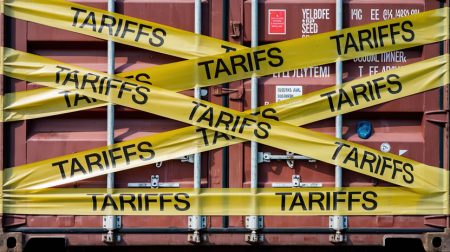
The current focus on the impacts of tariffs highlights a shift in perspective – business risks can no longer be seen as separate from organizational and operational resilience.

The current focus on the impacts of tariffs highlights a shift in perspective – business risks can no longer be seen as separate from organizational and operational resilience.

Emergent misalignment happens when an AI system unexpectedly develops goals, behaviours, or decision-making processes that are misaligned with human values, intentions, or control – even if it was designed to be safe.

With many businesses taking email for granted, there is now a very real risk that the channel is becoming a security blindspot says Rick Goud.
The UK Government’s proposal to ban ransomware payments across public sector organizations could backfire without sufficient investment in resilience, leaving attacked organizations unable to recover quickly.
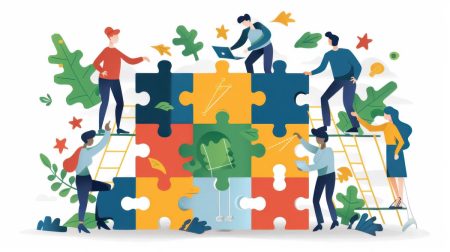
When organizations discuss business continuity, the conversation often focuses on plans, policies, and frameworks. While these are crucial enablers, they are not in themselves the point of business continuity.

GenAI and agentic AI security poses some unique challenges because we need to not only protect technology from being exploited by attackers but also from itself: there needs to be guardrails for the AI as well as protection against the AI.

Robert Hall looks at UK Government responses to the Covid-19 Inquiry Module 1 report.

Andy Weir presents three approaches to prevent software bugs and improve quality, security, and speed of delivery.
How can you minimize the risk of operational disruption and data loss as a result of a disaster if you choose to rely on an on-prem infrastructure?

Matthew Geyman describes the growth of the vCISO model in the MGA sector. The model offers a path to cyber resilience that aligns with both growth and fiscal constraints and is something that other sectors can learn from.