
In its Global Risks Report 2024, published in January, the World Economic Forum (WEF) surprised some people by placing misinformation and disinformation as the top global risk over the next two years, but events seem to be supporting its position.
The report highlighted that the growing concern about misinformation and disinformation is in large part driven by the potential for AI, in the hands of bad actors, to flood global information systems with false narratives.
The nexus between falsified information and societal unrest will take centre stage amid elections in several major economies that are set to take place in the next two years claimed the WEF.
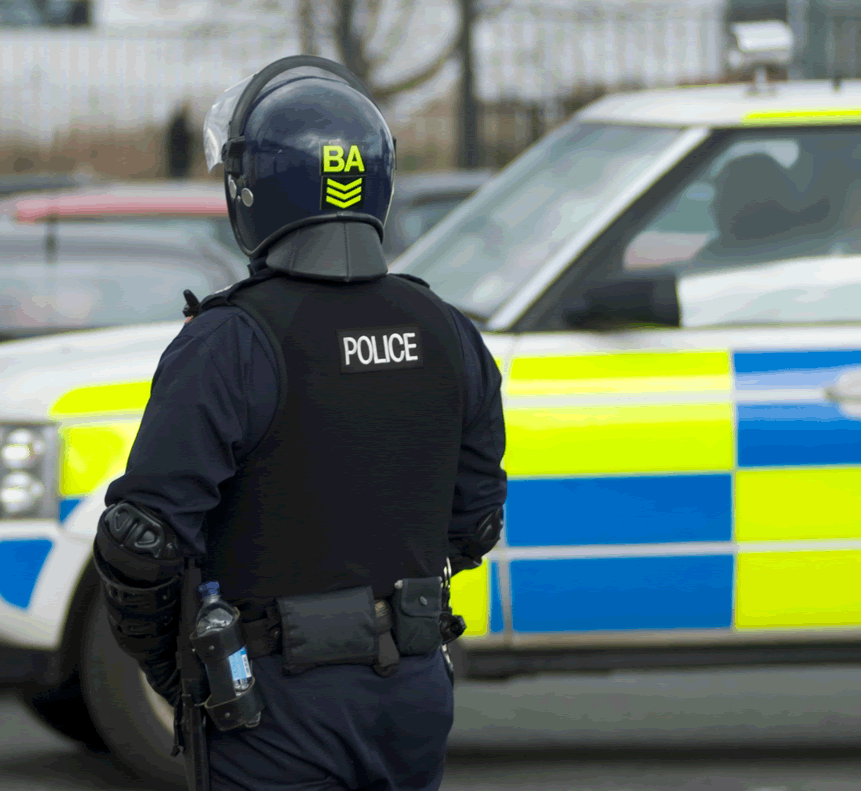
There have been numerous examples around the world of the nexus identified by the WEF, the latest being the ongoing community violence which has been breaking out in the last week in England and Northern Ireland. Social media has been very effectively used to both orchestrate demonstrations and counter demonstrations as well as amplifying the anger felt by various groups through false and misleading information and memes.
The challenge for organizations is how to address the misinformation and disinformation risk. Governments have a headache in that it is essentially uncontrollable without taking authoritarian actions such as blocking it during times of protest and social upheaval. Social media owners flagging posts as suspect has little impact as the target audience for misinformation is likely to see the flagging-up as part of a wider conspiracy against their point of view.
For organizations, awareness of the extent of the risk is a good starting point. This should lead to a consideration for what can be put in place for horizon scanning in this area, monitoring for social media activity aimed at the individual organization and the physical communities it exists within. This will enable defensive actions to be taken in advance where there are warning signs. Horizon scanning allows the organization to understand the normal background level of disinformation concerning and affecting the organization as well as being able to identify when there are significant changes.
The author
David Honour is editor of Resilience Forward.





