
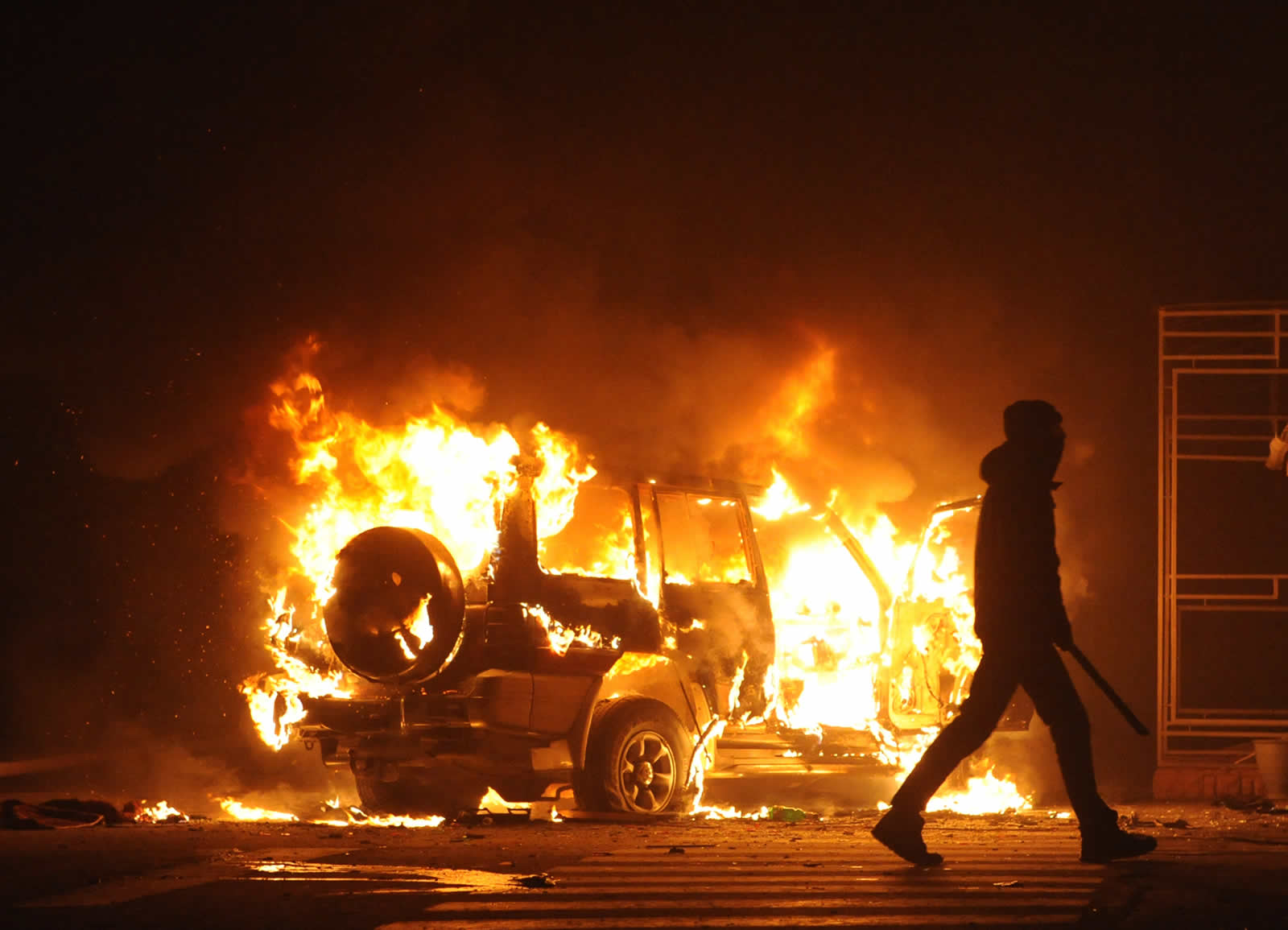
According to a new report from Allianz Commercial, civil unrest ranks as the biggest concern for more than 50% of company respondents globally, reflecting the fact that incidents in this area are increasing and lasting for longer.
Political violence and civil unrest trends 2025 states that following the ‘super election year’ in 2024, policy changes by governments will continue to be trigger factors for protests and flashpoints in many countries, as could any economic hardships that result from tariff wars.
In addition, an increase in terrorist attacks from religious and political extremists – motivated by both far-right and left ideologies – is also a major concern for businesses over the year ahead. Companies need to adapt to volatile and uncertain geopolitical conditions to avoid negative surprises and mitigate risks.
Political violence activity can impact businesses in many ways. In addition to endangering the safety of employees and customers, those in the immediate vicinity of unrest can suffer business interruption losses and material damage to property or assets.
Srdjan Todorovic, Head of Political Violence and Hostile Environment Solutions at Allianz Commercial
Civil unrest now the major political violence concern for businesses around the globe
Businesses are more concerned about the disruptive impact of anti-social behaviour on their operations than that of any other political violence and terrorism exposure. The impact of civil unrest or strikes, riots and civil commotion (SRCC) activity also ranks as the top concern in countries such as Colombia, France, South Africa, the UK, and the US. In the top 20 countries for frequency of protest and riot activity around the world during 2024, there were more than 80,000 incidents alone, with India, US, France, Germany, Türkiye, and Spain among the hotspots, according to Allianz Research.
It is a view also shared by insurers who have seen the SRCC peril increase in frequency and severity in recent years. Events including riots in Chile and South Africa have contributed to insured losses well in excess of US$10bn over the past decade, surpassing other levels of political violence and terrorism insurance claims. In certain hotspot territories losses can rival or surpass those from natural catastrophes, while in others, although the direct impact may be minor, events can still trigger long-lasting changes in the societies they affect.
Religious and political terrorism on the rise
The increasing frequency of plots and attacks from Islamist groups and inspired individuals, as well as supporters of the far right and far left movements are among the factors driving the complex global landscape. A growing concern is the Islamist terrorism threat in Europe, with an increasing number of attacks or plots happening over the last 12 months. Terrorist attacks jumped by 63% in the West with Europe most affected with attacks doubling to 67. At the same time, analysis shows there were more than 100 reported terrorism and right-wing extremist incidents during 2024, driven primarily by events in the US, followed by Germany. Meanwhile, far-left extremists are targeting individuals or companies who they see as contributing negatively towards issues such as climate change or inequality.





