
DigiCert, Inc., has released its 2024 State of Digital Trust Survey that looks at how enterprises around the world are managing digital trust in their organizations.

DigiCert, Inc., has released its 2024 State of Digital Trust Survey that looks at how enterprises around the world are managing digital trust in their organizations.

Identifying impact tolerances for important business services is one of the main ingredients for developing an operational resilience management system in any type of organization.

Riskonnect has announced generative AI-powered enhancements to its Business Continuity & Resilience solution.

Despite the recognition that the problem of AI control may be one of the most important problems facing humanity, it remains poorly understood, poorly defined, and poorly researched says Dr Roman V. Yampolskiy in his upcoming book, AI: Unexplainable, Unpredictable, Uncontrollable.

The BCI has published its annual BCI Emergency and Crisis Communications Report, sponsored by F24. This examines how crisis communication methods have evolved and what are the success-factors behind successful emergency communications.
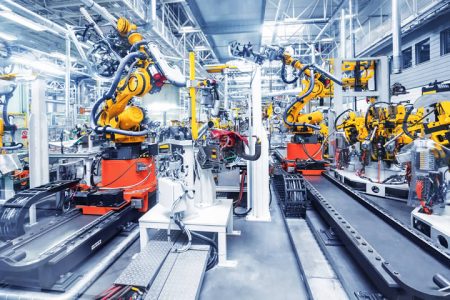
Industrial automation has seen strong growth, partly as a response to the need for resilience against recent supply chain disruption and pandemic-related workforce issues. This growth is anticipated to hit a new level, as the benefits of artificial intelligence in this area start to be realised. However, this also introduces risks that need to be explored and managed, as Dr. Louis Gritzo explains…

The Saffir-Simpson Windscale is used to label a hurricane on a scale from Category 1 to Category 5. Now climate scientists are suggesting that it may need updating to account for the potential for hurricanes beyond Category 5.

Aon plc has published its 2024 Climate and Catastrophe Insight report, which identifies global natural disaster and climate trends to help organizations make better decisions to manage volatility and enhance global resilience.

The International SOS Risk Outlook 2024 data identifies burnout, the cost-of-living crisis and mental health concerns as the top risks to organizational wellbeing this year, making these pressing issues for organizational resilience.
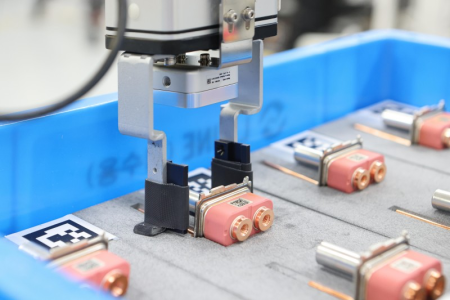
An AI technology for robot work, which allows robots to be easily applied to manufacturing processes, has been developed for the first time. The newly developed technology has a variety of direct uses within manufacturing processes as well as offering resilience opportunities.