The world is facing multiple interconnected crises which bring about ever-more complex risks, according to Swiss Re’s 12th SONAR emerging risk report. The report explores 16 emerging risks and their potential impacts on businesses, society, and the insurance sector.
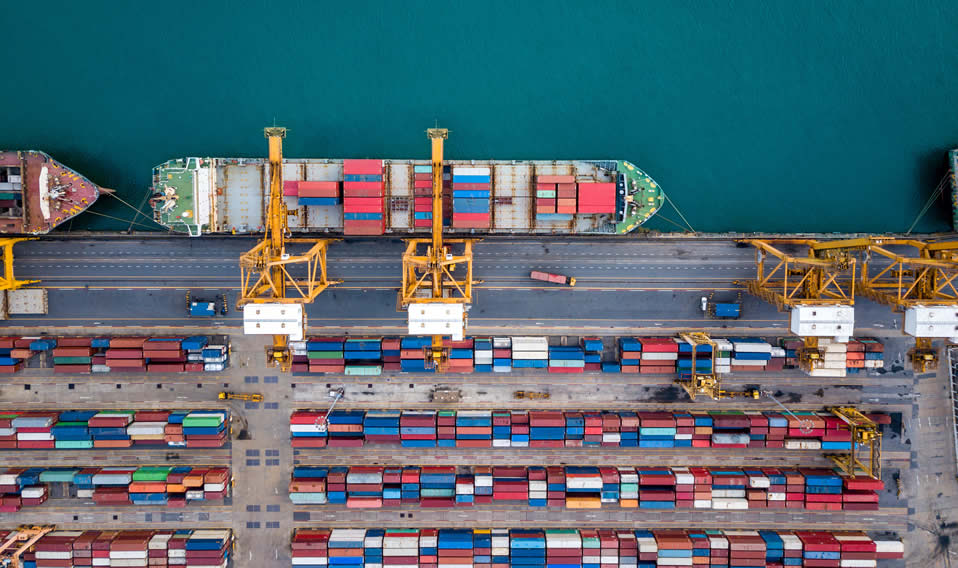
A decrease in the resilience of global supply chains is one of the key highlights of the report. While the security of supply chains was a priority for companies following the large-scale disruptions caused by the COVID-19 pandemic, the focus has shifted back to immediate cost savings says the report. The cost pressure has grown, but so too have the risks to supply chains – as exemplified by the Red Sea crisis. Due to the more volatile geopolitical landscape, increasing frequencies of extreme weather events, economic uncertainty, and heightened cyber and technology risks, key supply routes around the globe are likely to become less secure. Given the current situation and the negative outlook on these risk drivers, supply chain resilience should be at the top of companies’ agendas. If risks accumulate or coincide with an already stressed supply chain, the economic fallout could be significant.
Another key risk are weather-related natural catastrophes, which are increasing in frequency and severity. While floods, wildfires and storms can lead to property damage and loss of life, the cascading effects of such events pose additional risks. Wildfires can impact the water infrastructure by contaminating water sources or cutting access to it. Floods and storms can likewise damage energy grids and disrupt transport networks, bringing production lines to a standstill due to lack of power, leading to lost production time, materials spoilage and delays to deliveries. If critical infrastructure and supply chains are affected, the accumulation of damage can be significant.