The UK Government has confirmed the measures that it expects to include in the Cyber Security and Resilience Bill, which it says will be laid before Parliament later this year.

The UK Government has confirmed the measures that it expects to include in the Cyber Security and Resilience Bill, which it says will be laid before Parliament later this year.

The SANS Institute has released its Critical AI Security Guidelines v1.0, a practical, operations-driven framework built for defenders and leaders who need to secure AI systems.

A newly released open-access paper written by representatives from academia, industry, and the Software Engineering Institute (SEI) says that the general-purpose artificial intelligence (GPAI) ecosystem needs to learn lessons from the software security domain to keep AI systems secure.

The UK’s National Cyber Security Centre (NCSC) has issued new guidance to help organizations prepare for and protect against threats posed by future developments in quantum computing.

Australian businesses overestimate their cyber resilience, assuming employees are well-prepared to handle threats when, in reality, many say they lack the necessary training and awareness.

NIST has finalized a new guidance document to assist people designing, developing, deploying, evaluating, and governing AI systems, with the issue of adversarial machine learning. As…

According to the latest forecast from the International Data Corporation (IDC) Worldwide Security Spending Guide, global security spending is expected to grow by 12.2% year on year in 2025.
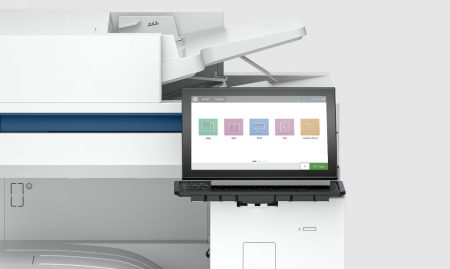
Without quantum resilience, a printer facing a quantum attack at the firmware level would be fully exposed through malicious firmware updates, giving the attacker stealthy, persistent, and total control of the device.

F12.net has released Cybersecurity Trends Report in Canada (2024-2029), providing mid-sized organizations with specific recommendations to strengthen their cyber resilience.

Red Canary has published its seventh annual Threat Detection Report, examining the trends, cyber threats, and adversary techniques that organizations should prioritize in the coming months and years.