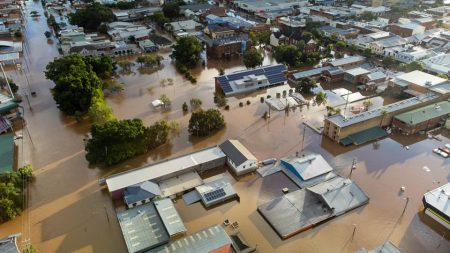
Aon plc has published its 2024 Climate and Catastrophe Insight report, which identifies global natural disaster and climate trends to help organizations make better decisions to manage volatility and enhance global resilience.

Aon plc has published its 2024 Climate and Catastrophe Insight report, which identifies global natural disaster and climate trends to help organizations make better decisions to manage volatility and enhance global resilience.

The UK NCSC has issued an assessment looking at how it expects AI to ‘impact the efficacy of cyber operations and the implications for the cyber threat over the next two years’.

The UK Financial Reporting Council (FRC) has announced important revisions to the UK Corporate Governance Code which will apply to companies with a premium listing on the London Stock Exchange.

The International SOS Risk Outlook 2024 data identifies burnout, the cost-of-living crisis and mental health concerns as the top risks to organizational wellbeing this year, making these pressing issues for organizational resilience.

Dun & Bradstreet has released its Q1 2024 Global Business Optimism Insights report. The quarterly report shows a downturn in global supply chain continuity due to geopolitical tensions, trade disputes, and climate-related disruptions in maritime trade.

Technology and climate pressures are creating resilience challenges for organizations and 45% of CEOs surveyed for PwC’s 27th annual Global CEO Survey do not believe their business will be viable in a decade without reinvention.

Veeam Software has released insights from its fifth annual Veeam Data Protection Trends Report. The survey found that IT leaders are concerned about their ability to recover and restore mission-critical data after attacks and outages.
Cyber incidents such as ransomware attacks, data breaches, and IT disruptions are the biggest worry for companies globally in 2024, according to the Allianz Risk Barometer.

The World Economic Forum’s Global Risks Report 2024 has been released. It explores some of the most severe risks currently faced by organizations, individuals, and nations and how the threatscape is expected to develop over the next decade.

Everstream has published its ‘2024 Supply Chain Annual Risk Report’ which looks in detail at what it assesses as the five areas most likely to cause supply chain disruption in the coming year.