
A high frequency of small to medium events resulted in global insured losses from natural catastrophes of USD 60 billion in the first half of 2024, according to Swiss Re Institute’s preliminary estimates.

A high frequency of small to medium events resulted in global insured losses from natural catastrophes of USD 60 billion in the first half of 2024, according to Swiss Re Institute’s preliminary estimates.
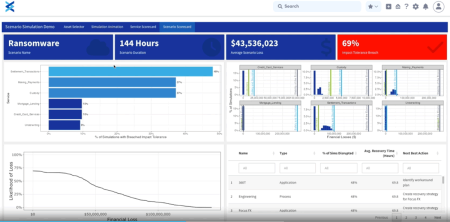
Fusion Risk Management has announced the launch of its new Scenario Simulation and Intelligence suite.

The Cloud Security Alliance’s (CSA) AI Technology and Risk Working Group has developed a new document that explores the role of AI-powered tools in reshaping offensive security strategies.
CrowdStrike has provided information from its root cause analysis report into the incident on July 19th 2024 where a failed updated caused problems for Microsoft Windows computers, VMs, and endpoints around the world.

IBM’s annual Cost of a Data Breach Report shows that the global average cost of a data breach amongst analyzed organizations reached $4.88 million in 2024, as breaches grow more disruptive and further expand demands on cyber teams.

HP Inc. has released the findings of a global survey highlighting the growing concern over nation-state threat actors targeting physical supply chains and tampering with device hardware and firmware integrity.

In its Global Risks Report 2024, published in January, the World Economic Forum (WEF) surprised some people by placing misinformation and disinformation as the top risk over the next two years, but events seem to be supporting its position.
Generative AI has enabled developers to create applications and APIs faster than ever before at a vast scale. However, new risks are also being created as a result, says Eric Schwake.

The UK Government Cabinet Office has published ‘Organisational Resilience Guidance for UK Government Departments, Agencies and Arm’s Length Bodies’.

Robert Hall looks at the foundational elements of resilience and explains how they enable an entity to bounce forward in times of disruption, crisis, and change.