
A new report from the US NIST describes what ‘adversarial machine learning’ threats are, how they can impact AI systems, and looks at mitigation strategies and their limitations.

A new report from the US NIST describes what ‘adversarial machine learning’ threats are, how they can impact AI systems, and looks at mitigation strategies and their limitations.

Various organizations have published survey results looking ahead to 2024 and exploring the top threats that businesses face. In this ‘analysis of the analysis’ article, Resilience Forward pulls together a summary highlighting the main threads running through five different survey reports.
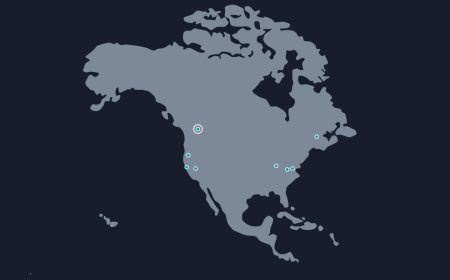
The AWS Canada West (Calgary) Region consists of three Availability Zones and joins the existing AWS Canada (Central) Region, which opened in December 2016.

One key aspect of organizational resilience is developing a holistic management approach, ensuring that various key disciplines work together. Steve Richardson provides some tips on how to address road-blocks in this area.

Data storage is at the core of organizational systems. Here, Brett Davis looks at how this vital area is going to develop over the coming year.

DRI International has published its Ninth Annual Global Risk and Resilience Trends Report. The report provides an analysis of current and emerging risks.

Throughout the recent COP28, the Insurance Development Forum (IDF) contributed to the discussions and advocated for the critical role of insurance in addressing the climate crisis.

Despite increased investments in third-party cybersecurity risk management over the last two years, 45% of organizations experienced third party-related business interruptions.

Rapid generative AI (GenAI) adoption is the top-ranked issue for the next two years for legal, compliance and privacy leaders, according to a recent survey by Gartner.

A new report finds that 83% of technology leaders say the use of AI has become essential for their organization, but 95% say that generative AI would be more beneficial if enriched and prompted by other types of AI.