
The sophistication demonstrated by the threat actors’ use of multiple layers of novel techniques and the concurrent operations against multiple targets around the world is cause for concern to the authoring agencies.

The sophistication demonstrated by the threat actors’ use of multiple layers of novel techniques and the concurrent operations against multiple targets around the world is cause for concern to the authoring agencies.

While pandemics have been the focus of infection-related risks recently, antimicrobial resistance (AMR) is a growing threat.
Climate change will not just create weather and climatological risks and impacts, it will also create direct and secondary impacts on society and economies. The time to start planning is now, to enable your organization to adapt in advance of possible disruption.
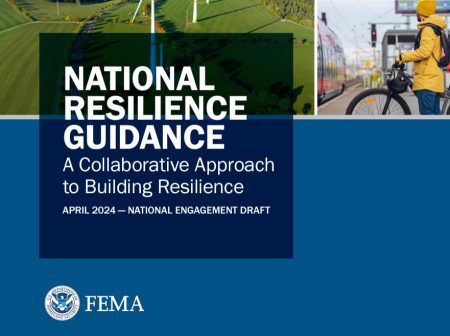
FEMA has launched a consultation into new draft National Resilience Guidance, which aims to help all stakeholders to ‘understand and fulfil their critical roles related to increasing national resilience’.

Internet exposure of operational technology (OT) and industrial control systems (ICS) continues to be a critical infrastructure security issue despite decades of raising awareness, new regulations, and periodic government advisories.

In a survey in which infectious diseases experts were asked to rank pathogens in order of their pandemic potential, influenza was considered the pathogen of highest pandemic risk.
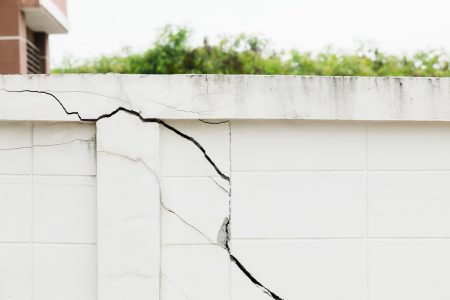
Sinking land and subsidence is overlooked as a hazard in urban areas globally, according to scientists from Virginia Tech, US, and the University of East Anglia, UK.
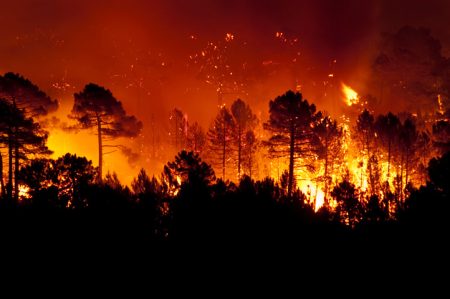
GARP, the Global Association of Risk Professionals, has published the results of its inaugural ‘Global Survey of Nature Risk Management Across Financial Firms’.

The US National Security Agency’s Artificial Intelligence Security Center (NSA AISC) has released ‘Deploying AI Systems Securely’, which provides best practices for deploying and operating externally developed AI systems.
In its recently released April 2024 Global Financial Stability Report, ‘Cyber Risk: A Growing Concern for Macrofinancial Stability’ the IMF has warned of the growing risk of systemic consequences linked to a cyber attack.