
Everbridge, Inc., has published its 2026 regional threat assessment: Geographic trends shaping the global security landscape, an analysis of the most significant threats expected to impact organizations worldwide in the year ahead.

Everbridge, Inc., has published its 2026 regional threat assessment: Geographic trends shaping the global security landscape, an analysis of the most significant threats expected to impact organizations worldwide in the year ahead.

Netskope has published new research revealing significant disconnects between infrastructure and operations leaders and the C-suite.

Resilience First and C2ES have published Building Corporate Climate Resilience, a new report setting out a strategic, standards-aligned framework to help organizations respond to accelerating physical climate risks.

Gartner has revealed the future of work trends that chief human resource officers (CHROs) will need to address in 2026 and beyond to ensure their organization achieves its desired talent and business outcomes.
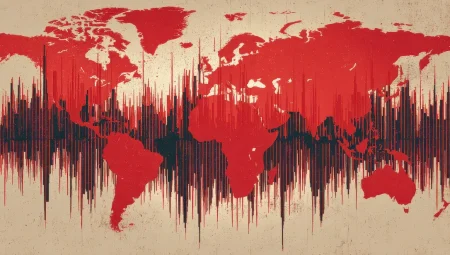
The World Economic Forum has released its annual Global Risks Report, which shows that half of those surveyed anticipate a turbulent or stormy world over the next two years, up 14 percentage points from last year.

Zero trust was meant to remove implicit trust, not shift it to vendors. Benjamin Schilz shows how trusted providers can undermine zero-trust architectures.
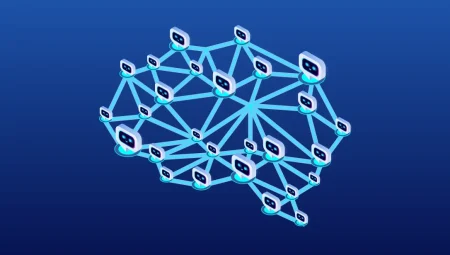
There seems little doubt that AI agents will be transformational for organizational operations in 2026, but their trusted status requires strong API governance to ensure safe use.

Netflix’s Stranger Things is a world where the mundane can suddenly become a portal to the deadly Upside Down, a perfect metaphor for the current state of the Internet of Things (IoT).
This section provides a listing of Resilience Forward stories considering how various areas related to resilience are likely to develop in 2026.

In 2026, organizations will rethink access management around continuous, multi-layered trust. Expect to see ‘multi-factor authentication for life’ take shape…