
By Ross Brewer
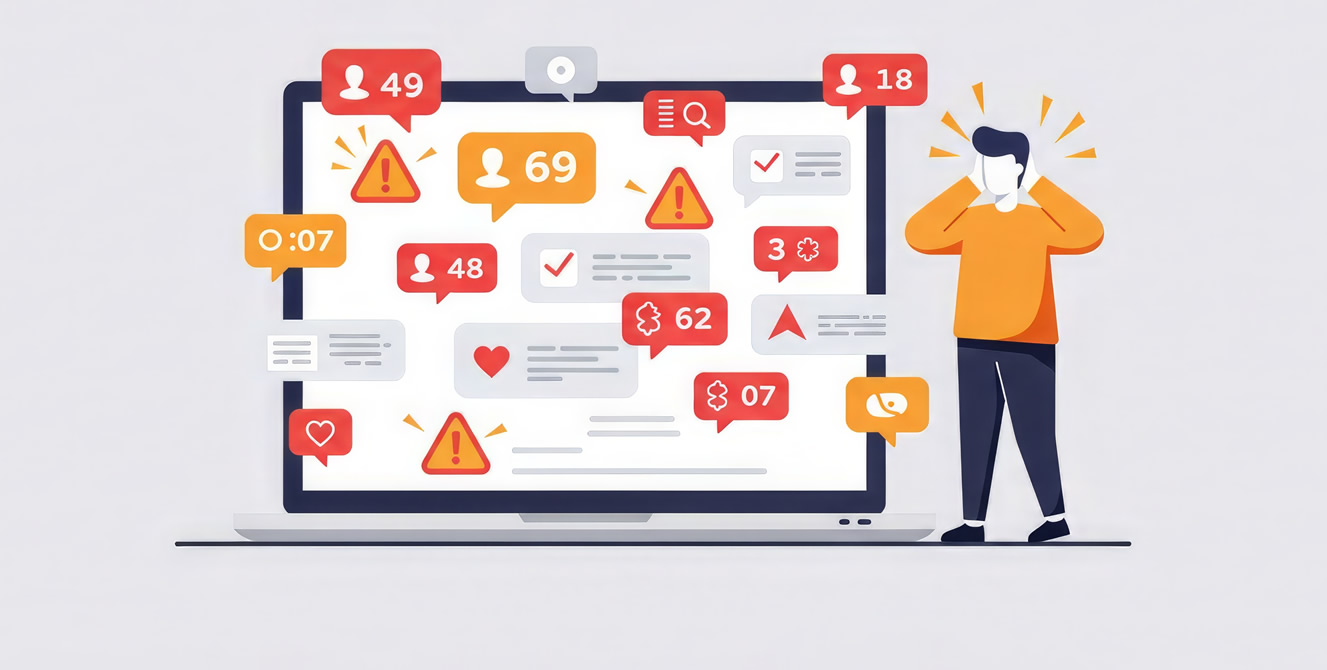
CISOs and their teams are constantly monitoring their tech estates to detect potential cyberattacks but, even so, attacks can be missed or detection delayed. One of the major causes of organizations’ lack of detection remains alert fatigue. It is this alert overload that contributes to delayed detection in more than half of all breaches.
While phishing emails, authentication prompts, and constant vigilance all add pressure on teams, there is a reason security fatigue remains such a significant challenge in cybersecurity defence. It is a deeper, more destructive phenomenon – one that overwhelms analysts and can cause critical delays in response, creating blind spots that adversaries are quick to exploit.
The state of alert fatigue
Security teams today are inundated with noisy alerts and fragmented monitoring tools. Analysts’ time is drained by false positives, and manual triage consumes valuable hours. Once burnout sets in, it becomes easy for genuine threats to go unnoticed amid the overwhelming volume of alerts.
As attackers grow more subtle in their methods, cybersecurity approaches are evolving too. Attackers now stretch campaigns over weeks and blend in so effectively that they do not trigger single, high-fidelity alarms. Since this trail of signals only becomes meaningful when linked together, many threats still evade detection.
However, this is not just a technology problem. It is the by-product of outdated systems that are unable to adapt quickly enough to deal with evolving cyber threats, forcing 24/7 surveillance. Research from Google Cloud found that threat notifications are not always helpful; instead, they overwhelm security teams. Nearly two-thirds (61%) of security practitioners believe there are too many threat-intelligence data feeds.
On top of this, false positives and manual triage further deplete valuable analyst time. Traditional security information and event management (SIEM) systems simply cannot keep up, as they were not designed for behaviour-based detection. Many count events without context, generating a tremendous volume of low-value alerts – far from the insights that analysts need to respond effectively.
As a result of dissatisfaction with disconnected alerts, buyer expectations are escalating. There is now a growing demand for tools that enable campaign-based detection, connecting isolated events to deliver full attack visibility.
How campaign-centric detection can help
Technology has advanced beyond single alerts and basic event correlation. Campaign-centric detection enables teams to link related activities into broader threat campaigns. This context-based approach cuts through noise and focuses analyst attention on insights derived from legitimate adversary behaviour.
By connecting independent events to build a complete attack narrative, campaign-centric detection reduces the number of alerts while making each one more meaningful. As a result, analysts spend less time chasing false positives and more time stopping real threats.
A SANS SOC survey revealed that alert triage consumes more time than any other task in the detection and response cycle, with 58% of teams identifying it as their biggest drain – above investigation or response. It is clear that analysts do not need more alerts; they need better signal quality.
Campaign-centric detection creates precise triggers based on individual or aggregated event conditions, ensuring that alerts are both targeted and relevant. By fine-tuning detection rules, filtering noise, and leveraging contextual data from real threats, teams can eliminate false positives and enhance visibility into genuinely suspicious activity – allowing security teams to respond with confidence and efficiency.
As cybersecurity becomes a boardroom priority, business leaders also benefit. Viewing threats as connected campaigns rather than isolated events provides clearer insights into what happened and how to respond. This makes security risks easier to explain and defend at the highest level.
Future-proof infrastructure monitoring
Campaign-centric detection can have an immediate impact on cybersecurity strategy. It delivers stronger signals with less pressure on the team and provides threat visibility aligned with business context. Ultimately, with the right information at the right time, teams can make faster, more confident decisions.
Elevated threats demand smarter counterstrategies. To move beyond reacting to individual alerts and empower teams to understand adversary behaviour, campaign-based detection is the way forward. It eliminates critical alert fatigue, boosts analyst productivity, and helps thwart threats as they emerge.
The author
Ross Brewer is Vice President and Managing Director, EMEA, at Graylog





