
Terry Storrar explains what data gravity is, why it has developed, and why it can have an impact on business continuity provision.

All the latest resilience and risk management news from around the world.
Terry Storrar explains what data gravity is, why it has developed, and why it can have an impact on business continuity provision.

Fundamentally, there are four types of open source risk: licence conflicts, unpatched vulnerabilities, origin issues, and obsolete or unmaintained code. Many organizations don’t realise just how pervasive open source is within the software used throughout the enterprise.

Mohammad Ismail says that businesses must stop regarding API security as simply a matter of discovery.

A new survey of nearly 900 Chief Internal Auditors across the UK and Europe has found that threats to cybersecurity and data security have been ranked the top risk facing organizations in 2026.
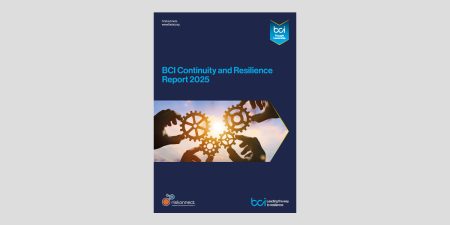
The BCI has published its Continuity & Resilience Report 2025, an annual study tracking shifts in the profession and the current state of practice.

ASIS International has released its latest standard, the Executive Protection Standard. This provides best practices for the protection of executives and other high-profile individuals, helping ensure their safety and security in an increasingly complex threat landscape.

Marsh’s 2025 Climate Adaptation Survey analyses the responses of over 130 risk managers globally and reveals critical insights into how private sector organizations are responding to evolving climate risks.

Apricorn has published results from its latest annual survey of UK IT security decision makers, revealing serious gaps in organizational backup strategies despite a growing reliance on recovery processes.
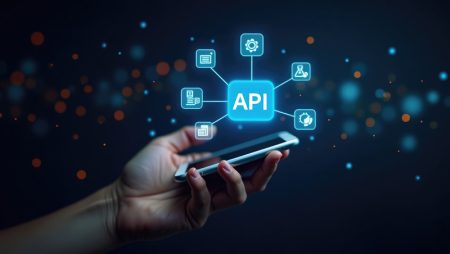
Mobile applications have become the frontline for API-based attacks, exposing enterprises to escalating risks of fraud and data theft, according to new research from Zimperium.

A new report from Sentinel Labs highlights how generative AI – and in particular large language models (LLMs) – are poised to reshape cyber attackers’ tradecraft.