
Robert Hall looks at the foundational elements of resilience and explains how they enable an entity to bounce forward in times of disruption, crisis, and change.

Information and resources related to managing resilience within organizations and businesses.
Robert Hall looks at the foundational elements of resilience and explains how they enable an entity to bounce forward in times of disruption, crisis, and change.
Semperis has published the results of a global ransomware study of nearly 1,000 IT and security professionals at organizations spanning multiple industries across the US, UK, France, and Germany.
The Uptime Institute has published its 14th Annual Global Data Center survey. This found that the frequency and severity of data center outages remain mainly unchanged from 2023 or show small improvements.

According to an Airmic Big Question survey, the climate transition risk that most organizations measure is reputational risk.

The European Central Bank (ECB) has concluded its cyber resilience stress test, which gauged how regulated banks would respond to and recover from a severe but plausible cybersecurity incident.
A new paper from the Cloud Security Alliance’s AI Technology and Risk Working Group discusses the importance of AI model risk management and explores the core components of a framework for model risk management.
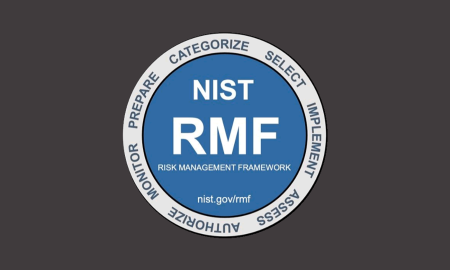
The US NIST has published a new guidance document to help smaller businesses use its Risk Management Framework.

According to a new report from Accenture, ‘Change Reinvented: A New Blueprint for Continuous, Meaningful, Successful Change’, the vast majority of global organizations (96%) are planning to invest more than 5% of their total revenues in change initiatives over the next three years.

Aon has published its Global Catastrophe Recap: First Half 2024 report, which gives a preliminary estimate of more than $117 billion in economic losses from global natural disasters during the first half (1H) of 2024.

The Business Roundtable has released a new report outlining policy recommendations for strengthening and securing critical supply chains.