DRJ, in partnership with the BCI, has released Version 1.0 of the ‘AI in Resilience Framework’.

DRJ, in partnership with the BCI, has released Version 1.0 of the ‘AI in Resilience Framework’.

Business continuity is no longer about having an internal plan; it is having a plan that reflects how the organization really works.

When disruption affects the technology used to deliver critical business services, the success of those plans can depend on whether technical teams can still see what is happening, access essential systems, and take corrective action.

Robin Bucknall examines the reality of modern supply chain disruption and explains why bridging the gap between business continuity and procurement is vital for organizational resilience.

The annual DRI Awards of Excellence highlight excellence in business continuity and resilience. The 2027 awards will be presented at a ceremony on February 23 during the DRI 2027 conference in Arlington, TX.
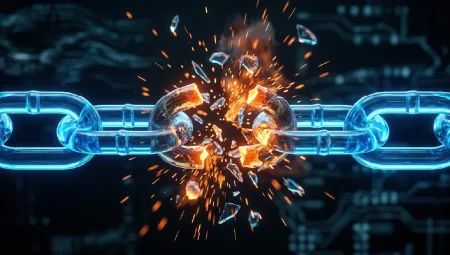
A new report from Ivalua has found that, in the past 12 months, 70% of businesses have had between one and five critical suppliers fail, while 41% say they’re one supplier failure away from a supply chain crisis.

In a disaster scenario getting backups or secondary cloud environments online and functional in time to meet recovery point and recovery time objectives can be hard enough, but sometimes only represents half the challenge.

The response requirements to cyber attacks have changed as the attack landscape has developed. Prevention and backups are no longer enough – cyber resilience requires a structured incident recovery capability to be in place.
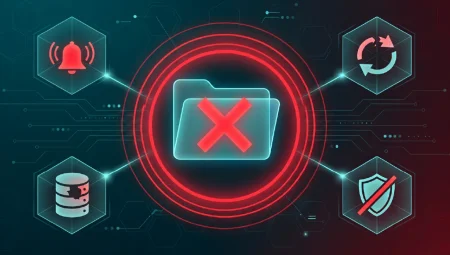
A new RIMS survey-based report explores a disconnect between recovery confidence and actual results during incidents.

Your business is starting to depend on AI, but can it survive an outage? Why the most important AI conversation today is about resilience, not just innovation.