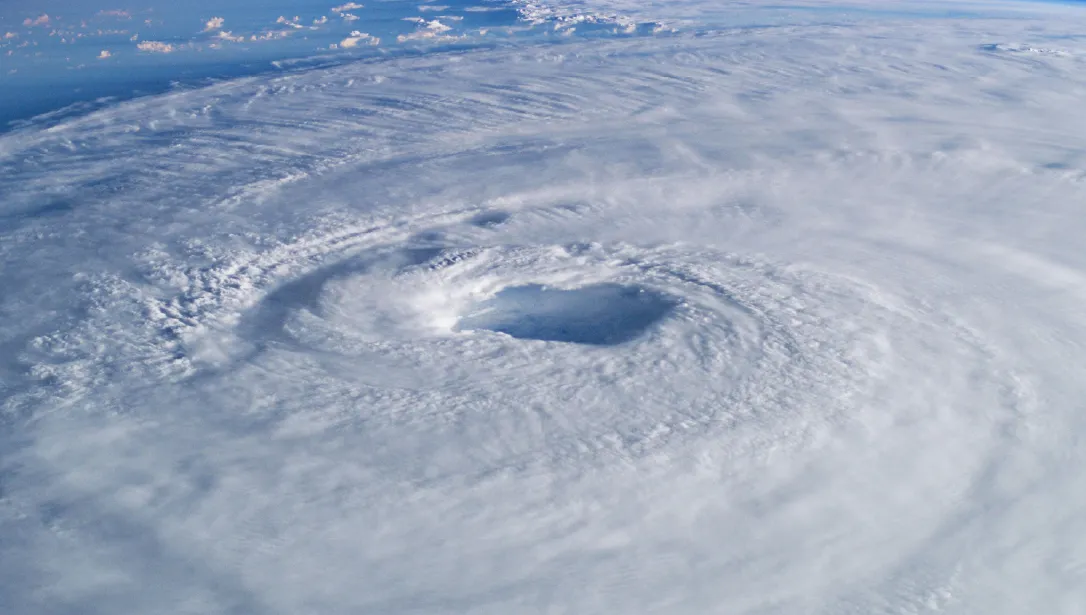
On the morning of 28 October 2025, the sky over Jamaica was the colour of slate. Radio announcers repeated what many Jamaicans already feared: Hurricane Melissa was going to be a significant event. By midday, the hurricane made landfall near Westmoreland as a Category 5 system with sustained winds close to 295km/h, making it the most powerful storm ever to strike the island directly. Over 500,000 residents were without power and communications within the first hours of the storm making landfall.
Despite the devastation, the loss of life was far lower than might have been expected for a storm of its magnitude. This was not luck. After two decades of hurricanes and tropical storms – Gilbert (1988), Ivan (2004), Dean (2007), and Beryl (2024) – Jamaica made gradual improvements in emergency management and resilience, addressing interagency coordination and shelter logistics through policy reforms.
Preparedness: a system built slowly and under strain
In the 48 hours before landfall, Jamaica’s National Emergency Operations Centre (NEOC) was activated. The NEOC is the institutional command hub responsible for coordinating ministries, local authorities, security forces, public health services, and logistics providers. The early activation meant that the agencies communicated with each other and coordinated the response – a key lesson learned from previous storms. As a result, evacuation orders were promptly issued and shelters opened.
Despite the availability of shelters, many residents chose to remain at home based on previous experience. Some shelters provided during Hurricane Ivan had been overcrowded, with inadequate sanitation and poor security, resulting in theft and lack of privacy. Those who remained home hoped that boarding windows and tying down roofs would provide adequate protection even as the sea began rising and breaching flood defences. This behavioural reality, unfortunately, reveals a truth that many resilience professionals are only too aware of: preparedness is not simply an institutional capacity; it is a relationship of trust between organizations and the general population. If people do not believe that shelters are safe or suitable, they will not use them.
Infrastructure: the weakest link in an otherwise strong system
Jamaica’s infrastructure, electrical grid, utilities, road systems, and hospital networks were not built for category five storms. Landslides limited access to some communities for more than a week, delaying relief, medical supplies, and water purification units. Two major hospitals lost power and operated on generators for multiple days. While Jamaica prepared well for coordination and response, Melissa exceeded the expected:
Economic impact: the storm’s economic consequences extended far beyond the event
In Jamaica, tourism accounts for around 34% of national GDP, and the storm led to hotel closures, damage of tourism infrastructure, and international booking declines. Agricultural exports – particularly bananas, sugar, and coffee – were also hit hard, affecting small scale farmers’ livelihoods and rural food security. For many families, recovery began only when the emergency ended – and it will last far longer.
Lessons for Jamaica
While the protection of life during Hurricane Melissa is a clear testament to the improvements Jamaica had previously made, there is more work to be done. People need to be as prepared as the country’s new command centre is. As is now standard in Jamaica, the response to Melissa will be reviewed for opportunities to improve and further upgrades will be made to the country’s response capabilities. Some of those dimensions of the response are likely to be amongst the measures below:
Public trust
Weakness exposed: communities underestimated meteorological warnings due to mistrust of state institutions and shelters weakened compliance with orders.
Future imperative: preparedness must be community-co-designed, not instructed. Strengthen engagement through churches, local leaders, and local media. Ensure evacuation and shelter plans are co-developed with the community and more transparent, data-driven communications is provided to the public.
Power grid and communications
Weakness exposed: between 30-50% of the population lost electricity and entire communities to the west of the island lost communications after landfall.
Future imperative: ensure grid hardening and redundancy – more underground networks, more micro-grids, and renewable energy solutions for critical infrastructure (e.g. hospitals, water purification). Also expand satellite back-up connectivity for post-disaster communications.
Critical infrastructure
Weakness exposed: the national airport and multiple hospitals sustained catastrophic damage and disruption.Future imperative: a ‘build back better’ programme has already been announced by the Government which ensures stronger wind- and flood-resilience codes for critical facilities, relocation/flood proofing of critical facilities. This includes longer term programmes to rebuild hospitals from scratch, including back-up power and water, as well as safe evacuation routes.
Economic continuity
Weakness exposed: the scale and damage of the disaster showed that domestic resources alone are not sufficient and incoming aid should be better coordinated. Regulatory challenges need to be reduced in the immediate wake of a disaster.
Future imperative: streamline customs and tax procedures for relief items, ensure better information for non-government organizations (NGOs), and deepen the use of parametric (event-based) insurance and climate-based finance initiatives.
Food and agriculture
Weakness exposed: storm surges flooded and devastated farms, fisheries, and local food supply chains.
Future imperative: expand climate resilient agriculture (e.g. drought- and flood-tolerant plant varieties), provide better insurance and credit to farmers, and ensure that disaster-proof storage and distribution facilities are available.
Overall disaster governance and coordination
Weakness exposed: initial on-the-ground response was patchy and too centralised. Some remote communities did not receive support and aid for days.
Future imperative: deepen decentralisation of resources – empower local authorities with protocols to follow, pre-approved lines of authority, and local stockpiles so that relief is available within hours, not days.
Shelter usage
Weakness exposed: between 800-900 shelters were prepared and mandatory evacuation orders issued, but many were reluctant to leave their homes due to fear of theft, poor trust, and discomfort in shelters.
Future imperative: tackle the lack of trust in shelters – invest in better facilities (including better security and privacy), engage communities to run shelters, and ensure that public information and training is provided before the hurricane season starts. According to reports, the Disaster Risk Management Act (DRMA) is likely to be updated with clearer triggers and stronger enforcement tools – but paired with local support.
Debris management
Weakness exposed: 5 million tonnes of debris clogged main routes which delayed access to 27 communities.
Future imperative: expand shock-responsive social protection e.g. digital cash transfers to pre-registered vulnerable households, pre-positioned emergency stocks, and strengthening logistics chains. Disaster risk financing should be tied to these social programmes.
Business continuity lessons
The impact of Hurricane Melissa in Jamaica is a recent example of using lessons learned for continuous improvement and the speed in which the Jamaican authorities are adopting the lessons learned is impressive. However, ensuring preparedness through sound business continuity practices can be the difference between survival and liquidation. Using the DRI Professional Practices for Business Continuity Management, here are some ideas that organizations in areas affected by hurricanes and other forms of severe weather may wish to adopt into their own business continuity and resilience planning processes:
Strengthen risk assessment to account for severe weather
Using Professional Practice Two (Risk Assessment), organizations can undertake a more rigorous review of weather-related hazards by:
- Identifying threats such as storm surge, prolonged flooding, infrastructure collapse, utility disruption, IT failures, and supply-chain interruption.
- Evaluating the probability and speed of development of storms – particularly important for fast-intensifying and/or fast-changing storms.
- Considering the mid- to long-term effects of these risks.
- Assessing potential impacts on people, property, operations, and reputation.
- Reviewing existing controls and identifying weaknesses in building resilience, drainage systems, emergency equipment, and communications.
- Ensure that the risk assessment is regularly reviewed and updated.
Conduct a robust business impact analysis to prioritise essential activities
Drawing on Professional Practice Three: Business Impact Analysis, organizations can better prepare for severe weather by:
- Determining (with senior management) which services must be maintained or restored first to prevent serious harm or financial loss.
- Establishing recovery time objectives (RTOs) and recovery point objectives (RPOs) for critical processes, technology, and data.
- Identifying dependencies such as key personnel, supply chains, IT systems, and third-party services that are vulnerable to disruption.
- Analysing supply chains in-depth to ensure that local suppliers can continue to provide goods and services even if disrupted.
- Highlighting capability gaps that need to be addressed quickly.
Develop resilient continuity and recovery strategies
In line with Professional Practice Four: Business Continuity Strategies, organizations can select strategies that directly address severe weather risks, including:
- Securing alternate facilities or reciprocal arrangements for essential processes.
- Enabling remote or homeworking where possible.
- Ensuring back-up power is available to those carrying out critical activities either at home or in an alternate facility.
- Establishing cloud-based or geographically distributed data centres to protect against local outages.
- Ensuring that supplies, fuel, and equipment are available (and stored in a safe place) ahead of expected severe weather.
- Ensuring insurance arrangements – such as business interruption or contingent business interruption – align with likely weather impacts.
Strengthen incident preparedness and response capabilities
Following Professional Practice Five: Incident Preparedness and Response, organizations can improve their readiness for extreme hurricanes by:
- Developing or revising measures such as clear evacuation procedures, shelter-in-place arrangements, and improving methods of accountability for staff.
- Ensuring that all staff contact details are correct and are updated frequently using regular testing of emergency communication plans, including send-testing of emergency contacts.
- Establishing an incident management structure with defined roles, responsibilities, and authority.
- Assessing internal and external resources, such as emergency equipment, engineering teams, and local responders.
- Preparing facilities when severe weather is forecast – for example, securing loose materials, protecting critical assets, and arranging for back-up power and communications.
- Coordinating with public authorities, emergency management agencies, and utility companies.
Produce detailed and practical emergency management, crisis communications, and continuity plans
Using Professional Practice Six: Plan Development and Implementation, organizations can ensure that their hurricane plans are comprehensive by:
- Documenting clear procedures for incident management, crisis communications, evacuation, relocation, recovery site activation and/or remote working, and service restoration.
- Identifying recovery teams and alternates, along with their required resources.
- Including step-by-step actions for protecting people, property, IT systems, and critical records.
- Ensuring plans consider both short-term disruption and long-term recovery following catastrophic damage.
Enhance staff training and organizational awareness
As recommended in Professional Practice Seven: Awareness and Training Programmes, organizations can improve the preparedness of their workforce by:
- Running awareness campaigns before and during storm seasons.
- Ensuring that trusted sources of information are used to inform staff of the seriousness of incoming weather systems.
- Providing training on evacuation routes, alert notifications, shelter-in-place procedures, and equipment use.
- Conducting scenario-based exercises so that personnel can practise decision-making under realistic conditions.
- Training managers in incident identification, escalation, and leadership during a severe weather incident.
- Ensuring that delegation of control can be made in the event of management or leadership not being available in a crisis.
Regularly test, assess, and maintain severe weather preparedness
In line with Professional Practice Eight: Business Continuity Plan Exercise/Test, Assessment, and Maintenance, organizations can improve readiness by:
- Conducting regular exercises to test severe weather response plans.
- Evaluating performance against RTOs, RPOs, and operational objectives.
- Recording lessons learned and implementing identified improvements into plans.
- Maintaining a structured schedule for ongoing plan review and ensuring that updates reflect organizational changes, emerging risks, evolving risks, and new technologies.
The author
Rachael Elliott is Director of Global Strategy and Innovation for DRI International. Rachael has particular expertise in the technology side of resilience, and has a keen interest in how artificial intelligence can help to transform the resilience of organizations. Her research has been used in the UK Parliament to help develop government industrial strategy as well as in the BDO High Street Sales Tracker, which Elliott was instrumental in developing and is still the UK’s primary barometer for tracking high street sales performance. She maintains a keen interest in competitive intelligence and investigative research techniques.