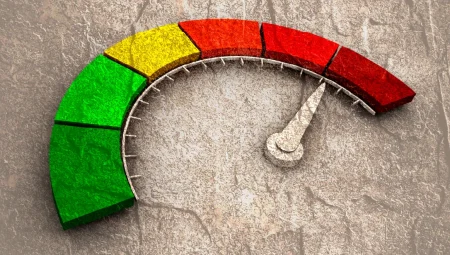
A survey by WTW has found that 80% of risk leaders are concerned about their organization’s resilience to risks that may emerge over the next decade.
To place this in context, only 50% of respondents were confident that their organization’s approach enables it to respond to today’s risk environment.
The WTW Emerging and Interconnected Risks Survey report assesses the key emerging risks identified by 333 respondents from 55 countries and proposes practical recommendations for organizations, considering improving their understanding of emerging risks.
The survey was designed by the WTW Research Network to take respondents through successive stages of thinking across four lenses using a new risk taxonomy of 48 risks across eight categories. Respondents were asked to consider the impact on their organization of the risks of today (‘current emerging risks’), of tomorrow (‘risks that will emerge over the next two years’), of the future (‘risks that will emerge over the next 10 years’) and the interconnectivity between those risks.
Technology dominated the emerging risks agenda, with artificial intelligence, cyber risks and the future of technology named among the top risks of today and tomorrow. Technology was also named as the greatest expected driver of change in the next 10 years.
Geopolitical issues closely followed as a top concern today and tomorrow, as organizations highlighted a wide range of emerging risks fostering volatility, from elections to societal cohesion to the misalignment between government and business interests.
Continued amplification and acceleration of the environmental risk category dominated the longer-term view. Over the next 10 years, 47% of respondents said they expected climate change and climate transition risks to be a key source of change with wider mentions of environmental degradation, the need for policy change to deal with future heat risks, the arrival of tipping points, power requirements and regulation featuring alongside concerns of physical risk events. Organizations expect to see more frequent catastrophic events and are uncertain about what that future might look like.
The ability to effectively manage risk is key to thriving in an uncertain world. With regulators globally deepening their own exploration into emerging risks, investors asking more and more questions, and organizations facing material financial consequences as risks evolve, there is a need for new approaches. We need more than data-informed decision making to explore the emerging risks shaping risk and opportunity. We need to focus on optimizing risk outcomes. Smart specialization, smart service, smart use of data, smart research. It all comes together to help navigate the complex risk landscape.
Adam Garrard, global chairman, risk and broking, WTW